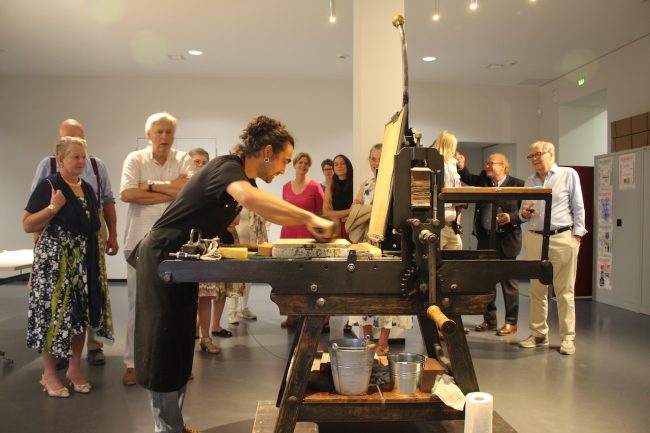
Public lithography demonstration
Public show presentation
Saturday, November 7, 2026, 11:30 a.m.
circa 60 minutes
Number of participants limited to 15 persons
10,00 € Participation fee and reduced admission
Public show presentation
Saturday, November 7, 2026, 11:30 a.m.
circa 60 minutes
Number of participants limited to 15 persons
10,00 € Participation fee and reduced admission
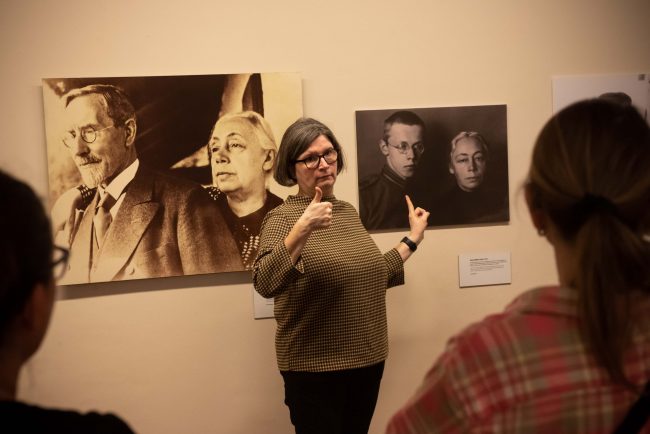
120-minute guided tour of the special exhibition in German Sign Language
17 October, 3 p.m.
Registration is appreciated: bildung@kaethe-kollwitz.de
Included in the museum admission price.
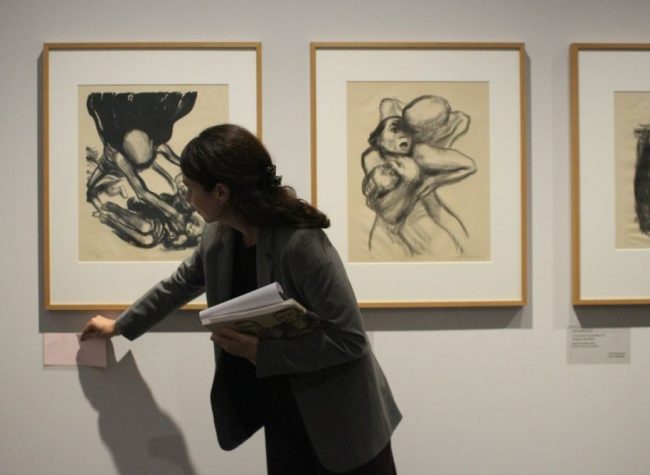
every two months, one Thursday per month | 17.00
Duration: approx. 60 minutes
Minimum number of participants: 3
€3.00 participation fee + reduced admission
Registration requested
Next event: 3. December
Every first Sunday of the month for just € 4.00
For anyone who wants to experience and create art.
Next event: 4 October
on KollwitzSunday
every first Sunday of the month | 12 a.m. – 3 p.m.
Drop-in offer | from 8 to 99 years
Registration possible on location from 11 a.m.
Participation is included in the museum admission fee
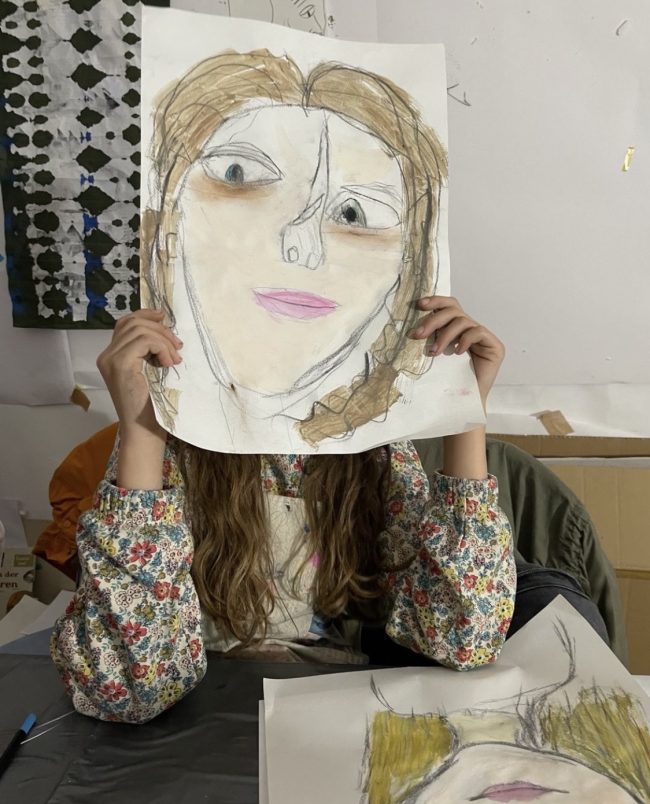
“WHO AM I – Portrait Workshop”
4 course days – 27 to 30 October 2026 | 10 AM – 3 PM each day | 8 – 12 years
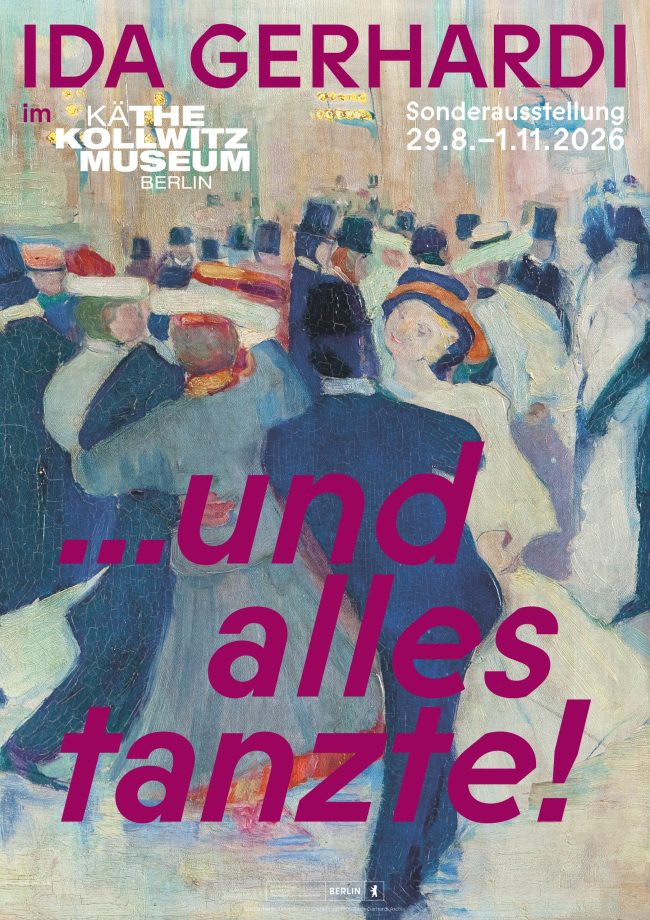
Ida Gerhardi – »And Everything Danced«
29 August to 1 November 2026
Opening: Saturday, 29 August 2026, 5 pm
Slow Art guided tour: Thursday, 3 September 2026, 5 pm
Lecture: 8 October 2026, 6 pm
The night of 29 August has 75 participating museums and 750 events in store for Berlin’s cultural night owls.
The Kollwitz Museum will also be open from 6.00 pm to 2.00 am, in addition to its usual opening hours, and will be offering a varied programme under this year’s theme, ‘Crime in Berlin’.
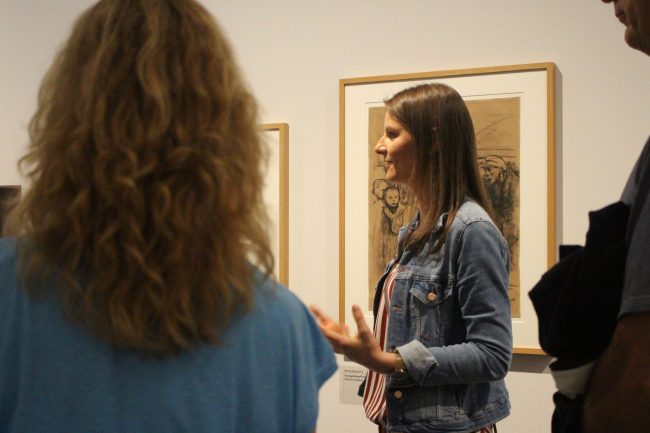
Every Kollwitz Sunday | 3 pm
in German language
approx. 60 minutes
Participation included in the special admission price for Kollwitz Sunday.
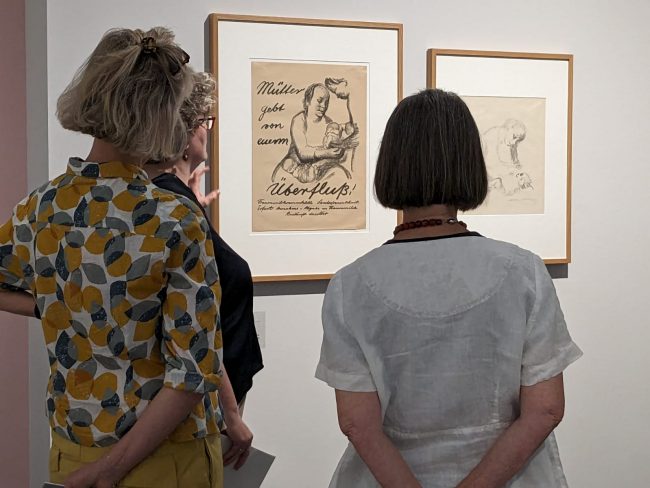
Enjoying art for older people
Next event: 5 September, 3.00 pm to 4.30 pm
Limited number of places. Registration required.
€10 plus reduced admission fee